

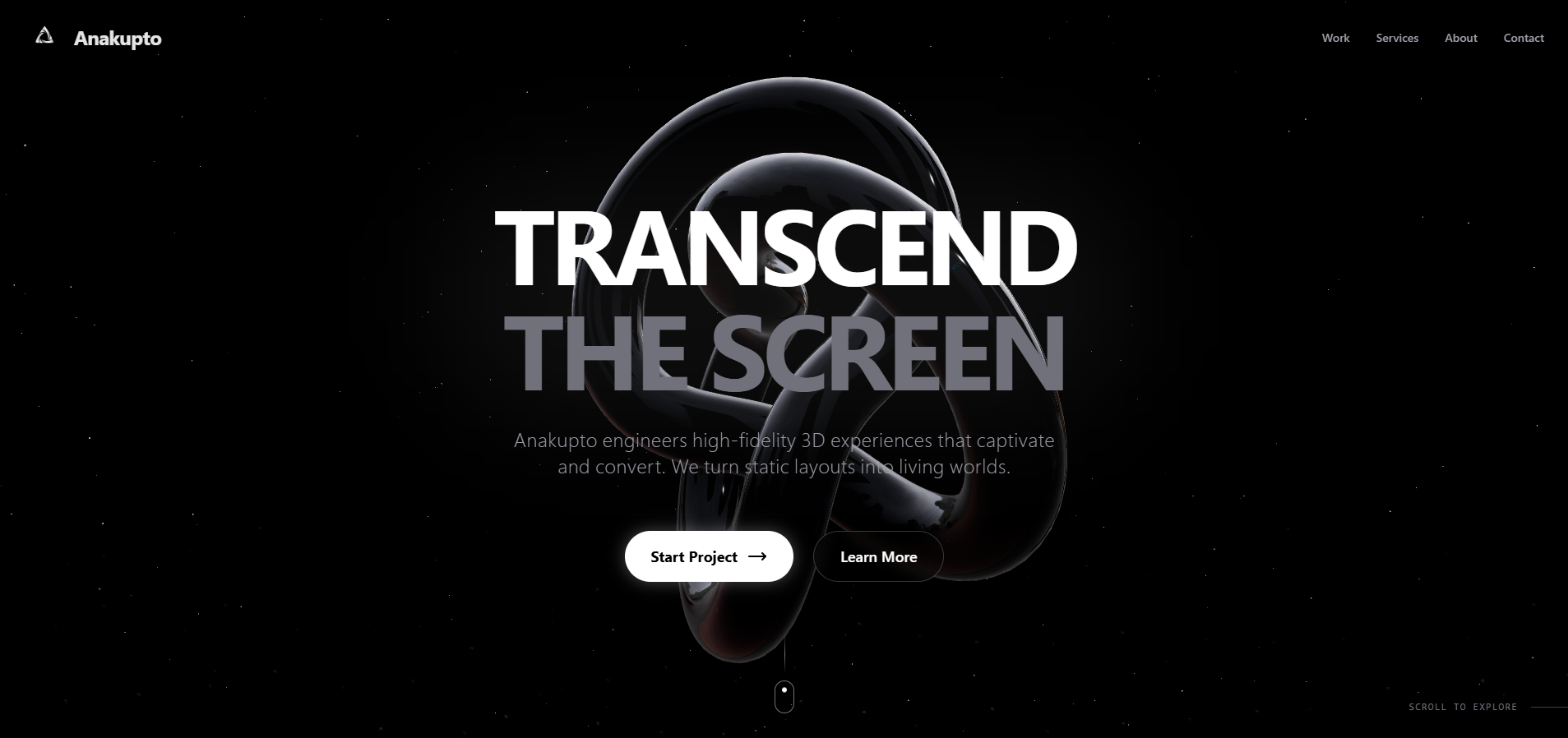
Unlike static sites, these platforms leverage WebGL to create high-performance, gamified environments that synchronize visual effects with the artist's music.Key Features of a 3D Music Site
- Audio-Reactive Environments: Visual elements like 3D shapes, particles, and terrain can pulse, rotate, or change color in sync with music frequencies using the Web Audio API.
- Spatial Audio Experiences: Sound can be programmed to originate from specific 3D objects, shifting between left and right channels as the user "walks" through the virtual space.
- Interactive 3D Merchandise: Instead of flat photos, fans can rotate and inspect high-fidelity 3D models of tour merch or vinyl records.
- Immersive Virtual Sets: Artists can host "digital concerts" or themed rooms (e.g., a 3D recording studio or a surreal landscape) where fans use their mouse or keyboard to navigate the artist's "world".
Why Artists Use Three.js
- Browser-Ready: No external plugins or apps are required; the 3D experience runs natively in modern desktop and mobile browsers.
- Brand Memorability: Interactive 3D content significantly increases user engagement time, forcing fans to interact with the brand rather than just scrolling past it.
- Custom Shaders: Developers can use custom GLSL shaders to create unique visual styles, such as retro 90s arcade "vibes" or liquid-like metallic surfaces.
Would you like a technical breakdown of how to connect the Web Audio API to a Three.js scene for real-time visualization?